Avatar photo

About Mrs Stewart

Deputy Headteacher

Parent Voice

Thank you for taking the time to complete the Autumn Term Parent Surveys.

Autumn Term Parent Survey 2024 

As a result of your feedback, we are going to:

-Ensure all children have any logins in their diaries/homework books and that this is promoted in class and across school.

-Send out assessment data after assessment weeks in school.

-Share spelling test results with you.

-There will be parent workshops coming up to help you with supporting you child with schoolwork such as reading and maths. Please check the newsletter dates.


-Planning is available on the website under class pages. There is also lots of information on our Early Help offer as well as SEN support – please take a look.

-We have extended Welcome Wednesdays to support parents/carers visiting classes of more than one child. We hold termly class assemblies in the afternoons to support those who cannot attend morning events.

-A few comments have mentioned the change to lunch club. Miss Piper now supports these children on the playground to better support socialising with their peers.

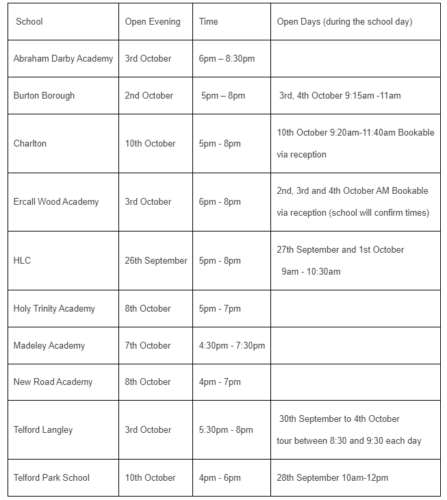
Online Safety

Poppy Playtime: Online Safety Review – Safer Schools


Our online safety experts have been alerted to a video game, being described by some users as an “introduction to horror.” Videos, versions of the game, and associated material are becoming increasingly popular on YouTube, Roblox, and other platforms used by young children.

Poppy Playtime features frightening images and themes that are paired with child-friendly items. This may be especially upsetting to children who have not yet developed the resilience to deal with disturbing content.

To help parents, carers, and safeguarding professionals better understand these issues, we’ve taken a deeper look at Poppy Playtime and the wider genre it belongs to.

Welcome Wednesdays

We listened to your feedback!

We are making our Welcome Wednesdays slightly longer to help parents with more than one child in school. Doors will open at 8.30 and close at 8.55 to allow teachers time to submit their registers by 9am.

The dates for this year are:

Wednesday 27th November

Wednesday 22nd January

Wednesday 12th March

Wednesday 9th July

Health Advice from the Health Protection Hub

We’ve been asked by the Health Protection Hub to share some information with you on health-related issues – when your child should and shouldn’t attend school and how best to keep them healthy.

The NHS has some good information for you to looks at here: https://www.nhs.uk/live-well/is-my-child-too-ill-for-school/

It’s fine to send your child to school or nursery with a minor cough or common cold if they are otherwise well and do not have a high temperature. But if your child has a fever, they should stay home from school or nursery until they feel better, and the fever has resolved.

If they have diarrhoea and/or vomiting, they should stay home for at least 48 hours after the last episode.

It is no longer recommended that children and young people are routinely tested for COVID-19 unless directed to by a health professional. But if your child has tested positive for COVID-19, they should try to stay at home and avoid contact with other people for 3 days after the day they took the test. Children and young people who usually go to school, college or childcare and who live with someone who has a positive COVID-19 test result should continue to attend as normal.

Vaccines provide the best protection against many common but potentially serious illnesses. Over the past decade, fewer children are getting routine vaccines, putting them at risk of serious disease. This leaves schools vulnerable to outbreaks and increases pressure on the NHS.  If your child is up to date with their NHS vaccination schedule, they will already be protected against diseases like whooping cough, measles, mumps and rubella throughout their school career, as most provide lifelong immunity.  Unvaccinated children are at higher risk of contracting these illnesses and having more severe symptoms than vaccinated classmates. They can also spread diseases to others. Check your child’s red book or contact your GP surgery to ensure they are up to date on all vaccines.

Good hygiene also stops infections from spreading, which means less disrupted learning time.  You can help by teaching your child to wash hands properly for 20 seconds, use tissues for coughs and sneezes, and stay away from others when sick. Letting in fresh air can also reduce the spread of airborne viruses.