Subject Intent
Science at Ladygrove
Science at Ladygrove Primary School and Nursery is taught through the three disciplines of Biology, Chemistry and Physics using our Engage Science planning. We aim to develop a sense of excitement and curiosity to enable pupils to gain a secure understanding of key Scientific knowledge and skills.
We do this by ensuring investigations and experiences are carefully planned in throughout our units of work to allow for a curriculum that provides children with opportunities to gain knowledge of key concepts and to use enquiry skills.
What Our Scientists Learn
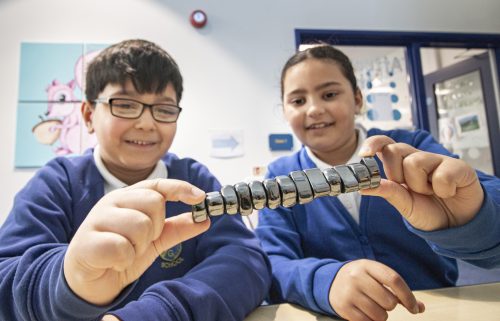
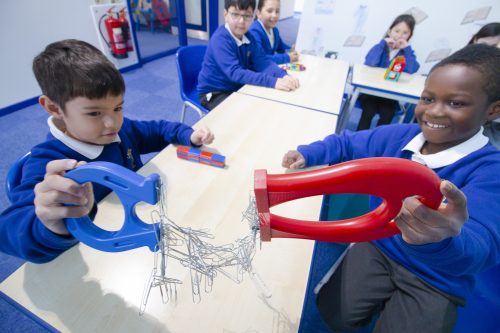
During our pupils’ time at Ladygrove Primary School, they will gain key knowledge through practical investigations and experiences, alongside working scientifically skills and enquiry types to allow them to continue discovering once they have left us.
Knowledge – Children are taught and learn key knowledge linked to the three scientific strands (biology, chemistry and physics) that they study. Children are expected to learn about key scientists and their impact on scientific findings.
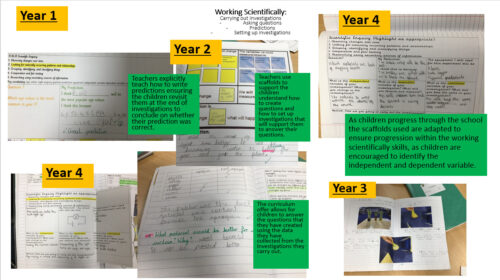
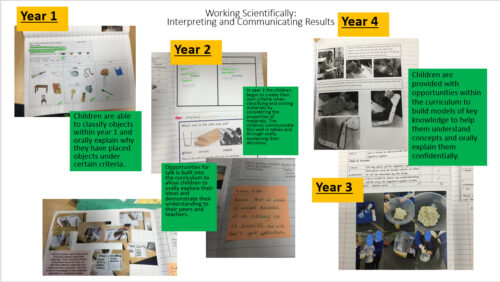
Working Scientifically – This strand from the National Curriculum focuses on the use of scientific skills that children will use when studying each unit of work. It includes:
- Asking questions
- Making predictions
- Setting up tests
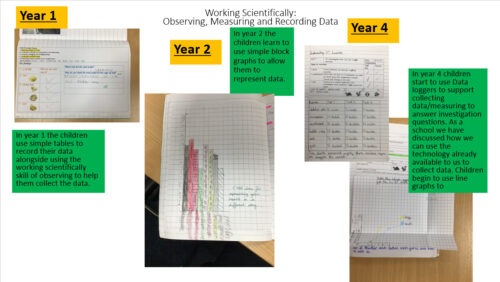
- Observing and measuring
- Recording data
- Interpreting and communicating results
- Evaluating
To support our children remembering the working scientifically skills they are using we use symbols on our science displays and WALTS.

Enquiry Types –
- Comparative and fair tests
- observations over time
- research
- pattern seeking
- identifying and classifying.
Subject in EYFS
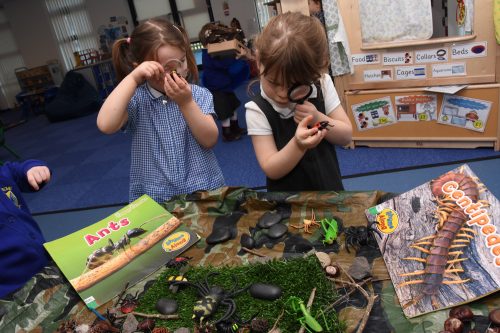
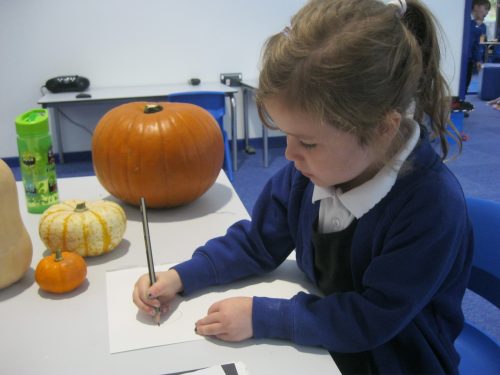
Children are given opportunities to explore creatures, plants and objects in their natural environments. They observe and manipulate objects and materials to identify differences and similarities. For example, they may look at an egg whisk, sand, paper and water to learn about things that are natural and man-made and their different functions. Children also learn to use their senses, feeling dough or listening to sounds in the environment, such as sirens or farm animals.
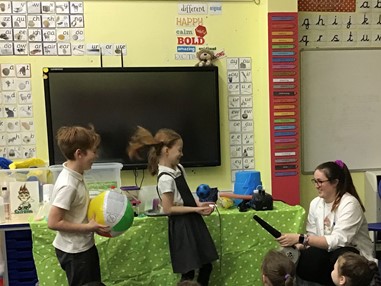
Children will be encouraged to ask questions about why things happen and how things work. They experience activities such as increasing the incline of a slope to observe how fast a vehicle travels or opening a mechanical toy to see how it works. Children will be asked questions about what they think will happen to help them communicate, plan, investigate, record and evaluate their findings.
Subject in KS1
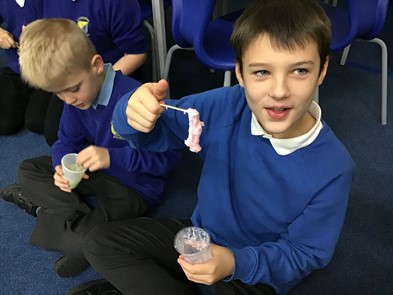
Children are encouraged to be curious and ask questions about what they notice. In year 1 and 2 children are helped to develop their understanding of scientific ideas by using different types of scientific enquiry to answer their own questions, including observing changes over a period of time, noticing patterns, grouping and classifying things, carrying out simple comparative tests, and finding things out using secondary sources of information. They begin to use simple scientific language to talk about what they have found out and communicate their ideas to a range of audiences in a variety of ways. Most of the learning about science is done using first-hand practical experiences. The children also use appropriate secondary sources, such as books, photographs and videos to support their development of scientific knowledge.
Subject in KS2
In year 3 to year 6 children continue to gain scientific knowledge through exploring and talking about their ideas; asking their own questions about scientific phenomena; and analysing functions, relationships and interactions more systematically. At key stage 2, children encounter more abstract ideas and begin to recognise how these ideas help them to understand and predict how the world operates. Children begin to recognise that scientific ideas change and develop over time. They select the most appropriate ways to answer science questions using different types of scientific enquiry, including observing changes over different periods of time, noticing patterns, grouping and classifying things, carrying out comparative and fair tests and finding things out using a wide range of secondary sources of information. Pupils draw conclusions based on their data and observations, use evidence to justify their ideas, and use their scientific knowledge and understanding to explain their findings.
How we support SEND in Science
- Practical curriculum (Engage Science)
- Assistive technology
- Adaptive teaching
- Adult and peer modelling
- Multi-sensory curriculum
- Video and audio clips
- Pre-teaching vocabulary
- Widgit symbols (visuals)
- Word mats
- Peer and adult support
Educational visits National Curriculum Link
Planning Links and End Points
We use Engage Science as the basis of our science planning.
Progression Documents
Ladygrove Science
Knowledge Progression EYFS Reception
Knowledge Progression Year 1 to year 6
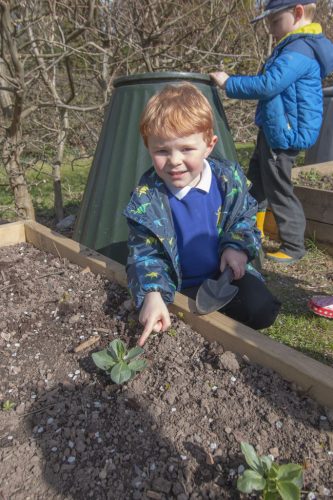
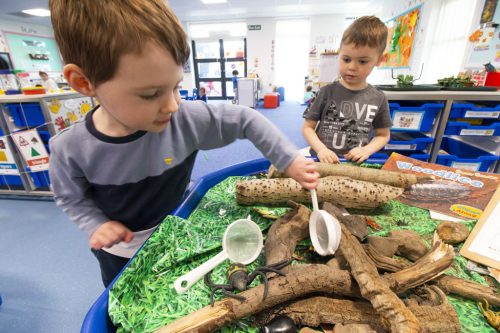
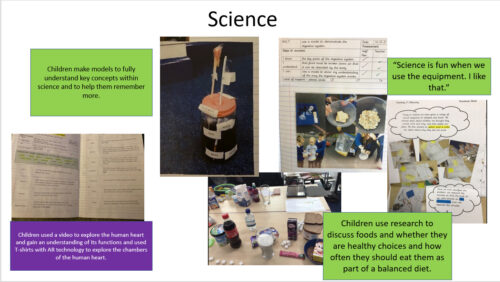
Examples of Science at Ladygrove:
SMSC in Science
Would you like to get involved with science at home?
If you would like to get involved with science at home, we have added some useful links to websites that will help you immerse yourself into the world of science below. Have fun!