Subject Intent
The National Curriculum suggests “A high-quality geography education should inspire in pupils a curiosity and fascination about the world and its people that will remain with them for the rest of their lives.”
At Ladygrove, Geography provides children with a means of exploring, appreciating, and understanding the world in which we live. We want all our Ladygrove children to develop as keen geographers, our overarching aim for all children is that they understand where they are, in comparison to the rest of the world. To achieve this, a strand that runs through all key stages across the school is all children will study their locality in various ways and look at similarities and differences between where they live and those all around the world, thus giving children a rich and varied breadth of experience enhanced by school trips and fieldwork before they go on their new adventure into secondary school.
The key skills we focus on at Ladygrove come from the Early Years Foundation Stage and the National Curriculum and these are always at the core of our planning to ensure that children develop as imaginative, curious individuals. Through the study of topics and specific places, children develop geographical skills which allow them to build on their understanding and knowledge within the four key skills:
· Locational knowledge
· Place knowledge
· Human and physical geography
· Geographical skills and fieldwork
Subject in EYFS
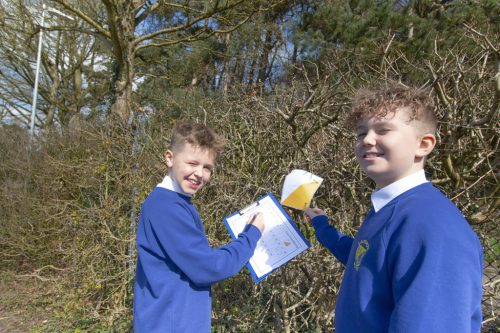
In the Early Years Foundation Stage, Geography provides us with an opportunity to see how each child interacts with their environment and how the environment influences them. The early learning goals of the EYFS aim to guide each child into making sense of their physical world and their community through providing children with opportunities to explore, observe and find out about people, places, technology, and the environment. At Ladygrove, we do this through Enquiry Based Learning which is directed by discussions and the interests of the children.
The reformed Early Years Framework that was implemented in September 2021 sets out that Geography will continue to be taught under the Early Learning Goal: Understanding the World and the key strand: People, Culture and Communities.
Subject in KS1
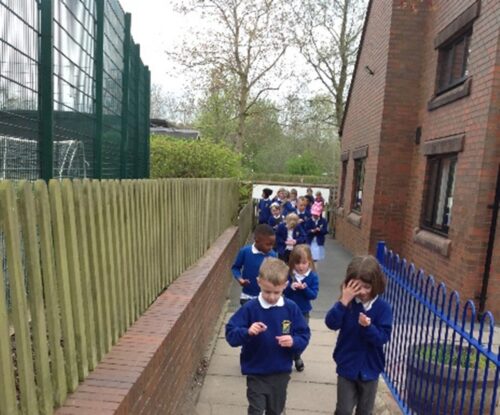
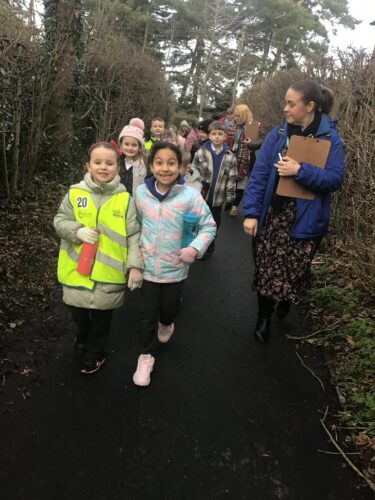
In Years 1 and 2, we begin to follow the National Curriculum for Geography. Ladygrove children begin to develop a geographical vocabulary by learning about where they live, leading onto recognising that Telford is in England which is one of the four countries in the United Kingdom. They then make comparisons of the United Kingdom and a small area in a contrasting non-European country. They delve deeper to identify the World’s seven continents and 5 oceans. They learn about weather patterns in the United Kingdom and hot and cold areas of the world. They use ICT, world maps, atlases and globes, simple compass directions, aerial photographs, and plans, as well as carry out their own research using simple fieldwork and observational skills.
Subject in KS2
In Years 3 to 6, children continue to build on the knowledge they have gained in the EYFS and KS1. They develop their identity as a geographer through planned lessons underpinned following the four key skills from the National Curriculum.
Locational knowledge examines latitude, longitude, and time zones. Ladygrove children will use maps to focus on Europe, North and South America, concentrating on regions, key physical/human characteristics, countries, and major cities. They will also work on locating the counties and cities of the United Kingdom and start to explore their human and physical characteristics.
Children also examine geographical similarities and differences by comparing the geography of a region of the United Kingdom with a region in a European country, and with a region in either North or South America. This is part of the place knowledge aspect of the curriculum.
For human and physical geography, our children are taught to describe and understand key aspects of geography including climate zones, rivers, mountains, volcanoes, earthquakes, the water cycle, types of settlement, economic activity, and the distribution of natural resources.
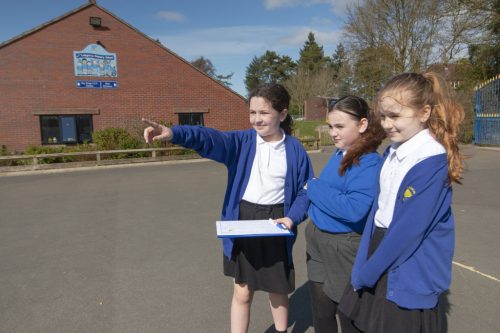
At Ladygrove, the children will be fully resourced within their learning to ensure they develop as keen geographers with the use of maps, atlases, globes, ICT, compasses and the use of fieldwork to observe, measure, record and present the human and physical features in our local area, encompassing the geographical skills and fieldwork strand of the National Curriculum.
Assessment
In Geography we use various tools to support us with assessment. At the start of each Geography topic pupils are presented with ‘The Big Question’. This is an overarching question that brings together the learning within that topic. Pupils then revisit this question throughout their topic adding key knowledge they have learned.
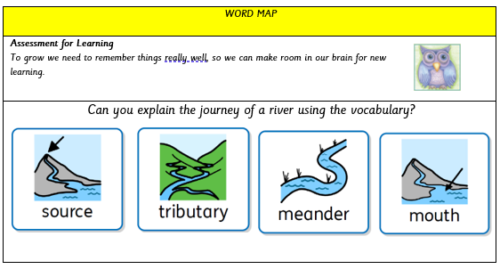
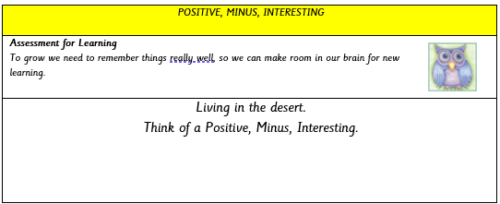
We also use a variety of Assessment for Learning tasks throughout every Geography topic that allow our pupils to think deeply about their learning and revisit prior knowledge. These tasks include Marvellous Memory, Concept Cartoons, Positive Minus Interesting, Say it Better and Word Maps.
How we support SEND in Geography
We use adaptive classroom teaching to meet the needs of all our learners. We utilise the following resources to support all pupils in meeting the expected outcomes for Geography:
- Widgit symbols (visuals)
- Word mats
- Virtual reality tours
- Fieldwork
- Photographs
- Assistive technology
- Adaptive teaching
- Atlases
- Pre-teaching vocabulary
National Fieldwork Festival
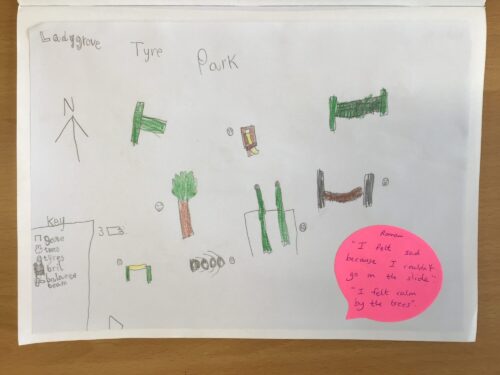
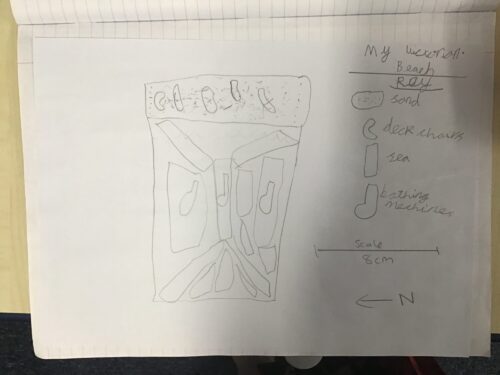
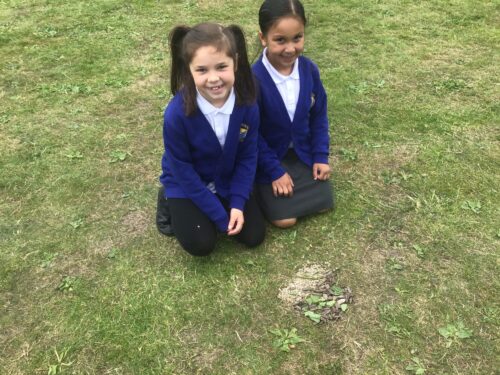
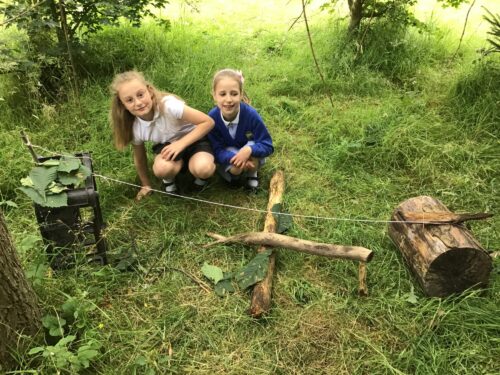
Every year each year group will celebrate and take part in fieldwork lessons in the Summer term to celebrate National Fieldwork Festival.
National Curriculum Link
National Curriculum – Geography
Planning Links and End Points
By the time children leave Ladygrove, our wish is for them to have had learning experiences that they will remember forever, opportunities that have made them curious and wonder about the world around them, understandings of how people and the environment interact and a knowledge of their own responsibilities within society.
Knowledge and Skills Progression Documents
Geography Ladygrove Curriculum Map
Ladygrove Geography Knowledge and Skills 26-27
Ladygrove Geographical Skills and Fieldwork progression 26-27